
Your Confined Space Rescue Plan in Baton Rouge
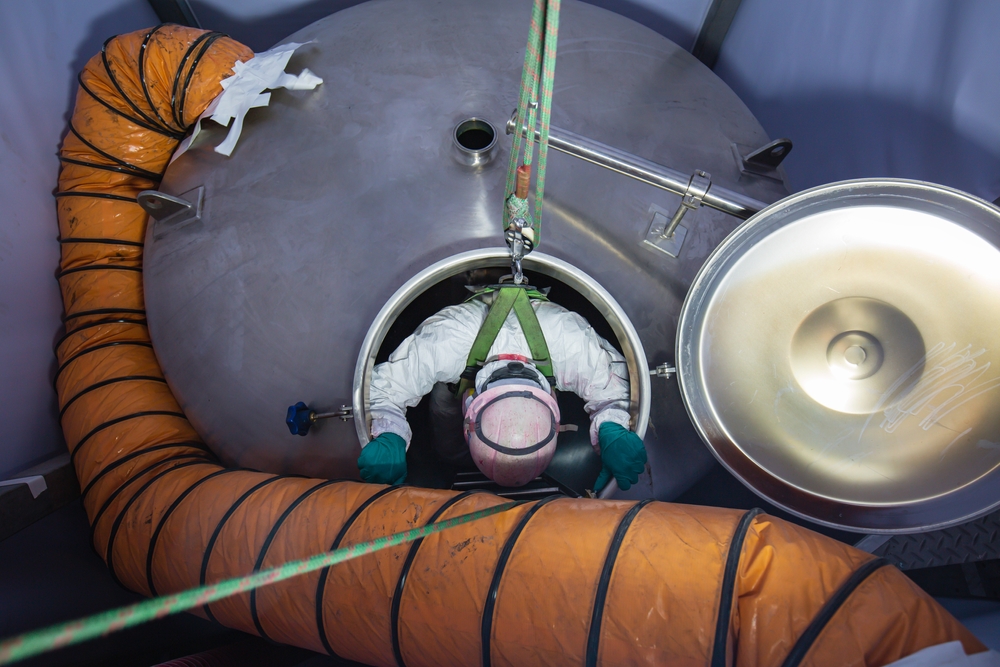
Emergency On-Site Rescue Response Team in Baton Rouge
Imagine one of your workers is deep inside a large storage tank or a boiler at your plant. Maybe they are cleaning something for you. Now, imagine the air suddenly gets bad, or they slip and get hurt. They need help right now. Every second counts.
That immediate need for help is the moment a Confined Space Rescue plan moves from theory to absolute necessity. For industrial operations across Louisiana and the Gulf Coast, this is not just a service; it is the mandatory safety barrier that protects your most valuable asset: your people.
At Outkast Industrial Group, we recognize that the high-risk environments we clean—including tanks, pipelines, and vessels—demand more than just cleaning expertise. They require a proven, immediate-response capability. Since we are already on your site providing essential services, we are uniquely positioned to serve as your dedicated Confined Space Rescue team.
Confined Space Accidents in Baton Rouge
Storage Tanks
Storage tanks are common in oil and gas, petrochemical, and chemical manufacturing. They are often used to hold fuels, chemicals, or water. When our team enters a tank for cleaning or inspection, the primary risks are bad air, often called an atmospheric hazard, and slick surfaces that cause falls. The tanks are usually large, but they have small openings, which we call entry points. If a worker goes down due to fumes or an injury, getting them out fast is the main challenge. Our rescue plan for storage tanks focuses on fast vertical lifting with specialized tripods and air monitoring that never stops, making sure the air stays safe during the whole rescue operation.
Large Pipes and Ducts
Large pipes and ducts are long, narrow spaces that workers need to crawl through for inspection or cleaning. These are found throughout industrial facilities. The danger here is the distance—if a worker is hurt far from the entry point, moving them is very hard. Atmospheric hazards can also build up quickly inside these smaller confined spaces. Our rescue strategy involves using special rope systems and narrow transport stretchers to move the injured person horizontally through the tight space. We also use ventilation equipment to push clean air deep into the pipe or duct before and during the work, making sure the air quality is stable for both the worker and the rescue team.
Silos and Bins
In industrial settings, silos and bins are typically used to store dry materials like grains, powdered chemicals, or cement. The biggest risk here is engulfment. This happens when the stored material shifts and traps the worker, sometimes pulling them down like quicksand. Another danger is bridging, where material gets stuck high up and then falls suddenly. Our rescue team uses different methods for silos than for tanks. We use special harnesses and equipment designed for stabilizing workers who might be trapped by materials, and our teams are trained to safely break down material blockages from the top without causing another collapse. Rescue from a silo needs a high degree of technical skill and specialized training.
Pits and Vaults
Pits and vaults are found underground or below the floor level of a plant. These spaces often collect water, sludge, or unwanted chemicals from industrial processes. This means they frequently have atmospheric hazards (like poisonous gases or too little oxygen) and the risk of drowning or slipping into accumulated liquids. Since they are underground, communication can also be difficult. Our rescue plan for these spaces always starts with aggressive air testing and venting. We use pumps to remove liquids quickly, and our teams use gas monitoring devices constantly. Rescue from a deep vault requires powerful lifting equipment and careful control of the air to protect the worker during the lift.
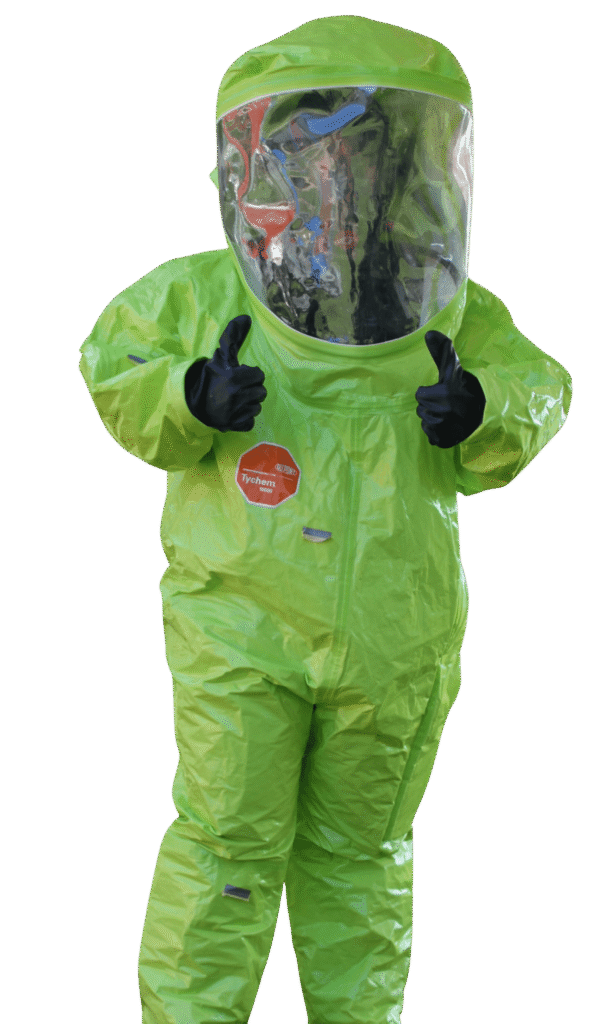
How a Professional Rescue Team Works in Baton Rouge
When we provide confined space rescue for your project, our job starts long before anyone goes inside the tank.
The Plan
We look at the space. Is it a tight fit? Is the air bad? We decide on the best way to get someone out. We look at the entry permit. We talk to the Entry Supervisor and the Attendant (the person who watches the hole). This plan is written down and rehearsed.
The Equipment
We set up the gear. We use things like a tripod and a retrieval system. This equipment lets us lift a worker out without anyone having to go in, if possible. If we must go in, our team is dressed head-to-toe in protective gear and self-contained breathing apparatus.
The Standby
Our rescue team is on standby outside the space. They are resting, but they are ready to move. They check their radios. They check the air monitors. They do not leave their post. This standby period is the most important part. If something goes wrong, they are the first ones in.
This is why we have HAZWOPER Certification and other high-level training. We don’t guess. We practice.

OutKast Industrial Group
Why You Need a Professional Confined Space Rescue Team
Many companies think they can use their own workers for a rescue. That is a big mistake. It is an opinion based on years of seeing things go wrong.
Confined space rescue is not like helping someone who fell off a ladder. If your worker goes down, the first person who rushes in to help often becomes the second person who goes down. Why? They get hit by the same bad air or get stuck in the same place. This is why OSHA says that if you don’t have a plan and a proper team ready, you should never try to rescue someone yourself.
You need a rescue team that is:
- Fast They can get to the person and get them out in minutes, not hours.
- Trained: They know how to use all the special equipment, like ropes, harnesses, and air tanks.
- Ready: They are standing by the confined space the whole time work is happening. We call this the standby team.
OutKast Industrial Group
Industrial Rescue Emergencies in Baton Rouge, LA
We operate right here in Baton Rouge and all along the Gulf Coast. We know the weather here is tough. We know that when a hurricane or big tropical storm rolls through, everything changes.
This region—from Baton Rouge and Lake Charles to the chemical corridor along the Mississippi River—has unique problems.
Flooding Risk: Storms cause flooding. Flooded pits or tanks become even bigger confined space hazards. Our rescue teams need special training to deal with water hazards on top of all the other dangers.
Quick Reopening: After a storm passes, plants need to get back up and running fast. This means cleaning crews often work under pressure in messy, dark, and dangerous environments. The need for a ready emergency response is higher than ever.
We train our rescue crews to think about these local challenges. We know the unique hazards that a refinery near the coast faces compared to an inland plant. When we do a job in the Port of New Orleans area, we make sure our plans match the environment.
Frequently Asked Questions:
For planned jobs, our standby team is there before work starts. They are on site and ready to go. Because we are already a local industrial service provider, we can get a team mobilized faster than others.
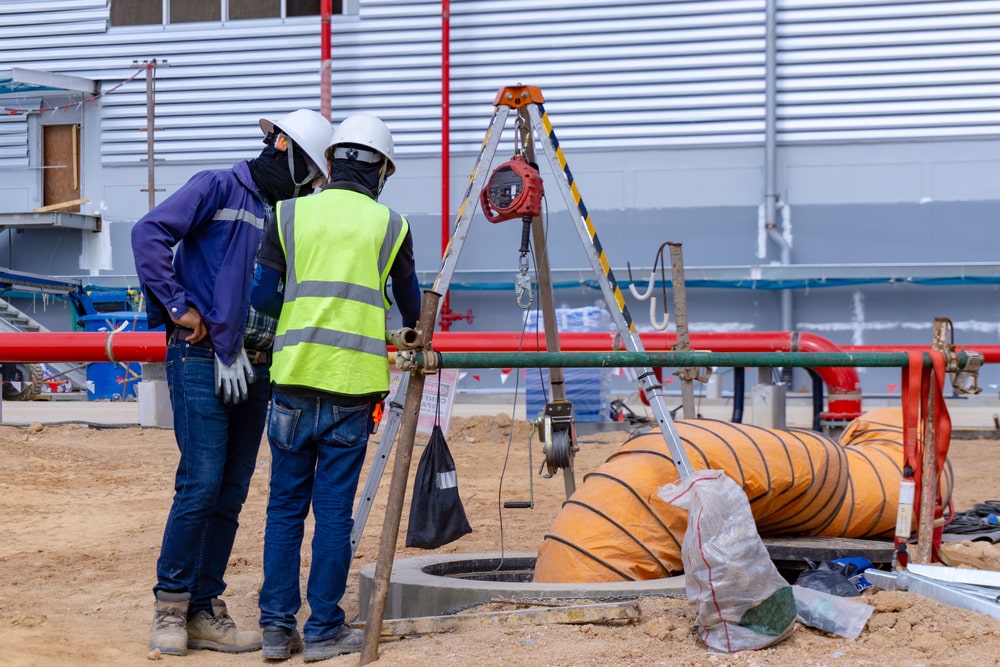
We bring special gear. This includes air monitors, a tripod (for lifting), ropes, harnesses, and breathing tanks. We use certified rescue equipment that we trust.
Yes. If you use a high-risk confined space (permit-required), OSHA says you must have a quick plan for emergency response. Having a professional rescue team ready is usually the safest and fastest way.
No. This is too dangerous. People who rush in to help often get hurt themselves. Rescue needs special equipment and training. You need a professional standby team that only does rescue work.