Chemical Cleaning and Decontamination in Baton Rouge
What Is Chemical Cleaning & Decontamination?
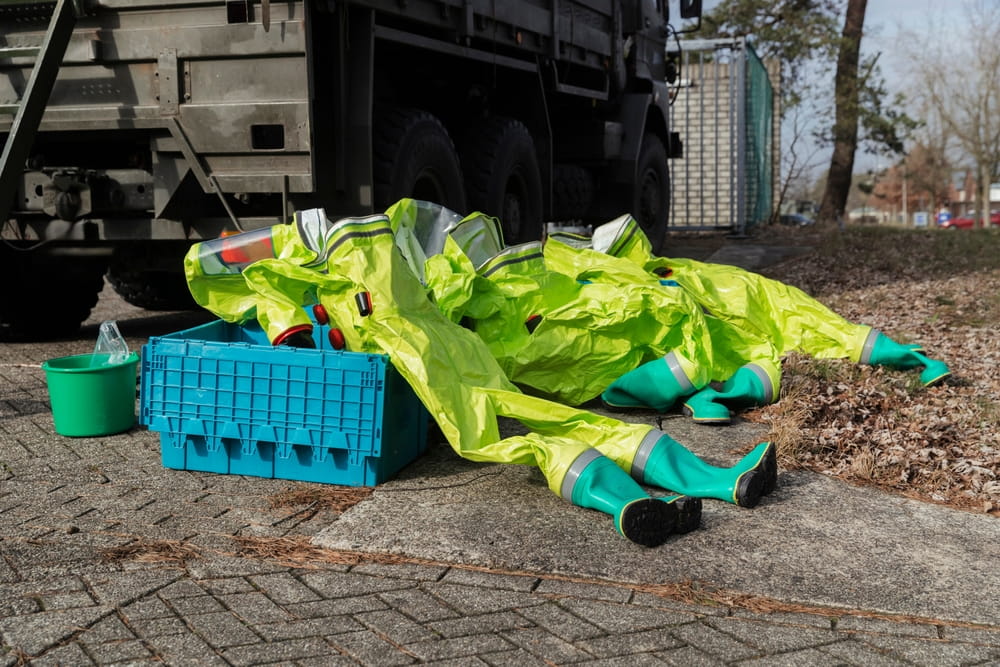
Chemical cleaning uses controlled chemicals to remove buildup, residue, and hazardous materials from industrial systems. It reaches areas that tools and water cannot. Pipes, tanks, and heat exchangers often hold scale, oil, or chemicals that reduce flow and raise risk. Chemical cleaning breaks these materials down so systems can run safely again.
Mechanical cleaning relies on pressure, scraping, or vacuum methods. It works well for loose debris. Chemical cleaning works when buildup is bonded to surfaces or hidden inside systems. Decontamination is needed during shutdowns, before maintenance, after spills, or when rules require safe entry. In Louisiana, storms and hurricanes often flood sites, pushing contaminants into equipment. Chemical cleaning helps plants restart faster and safer after weather events.
Our Chemical Cleaning Services
Solvent Cleaning
Solvent cleaning breaks down oil, grease, and chemical film that water cannot lift. It is used in lines, pumps, and vessels where residue can raise fire risk or spoil product. In places like North Baton Rouge and along Airline Highway, fast turnarounds matter. Many prefer solvent cleaning when the goal is a dry, ready surface before repairs or welding work.
System Flushing
System flushing pushes clean fluid through lines to remove leftover chemicals, loosened debris, and fine grit. It helps confirm the system is neutral and ready for service. After storms, silt can enter vents and drains and end up in piping. In Baton Rouge areas like Mid City, quick flushing supports faster restarts and fewer leaks.
Passivation
Passivation is a final step that helps clean metal stay stable. After chemical cleaning, we treat the surface so a thin protective layer forms. This slows rust and reduces future buildup. It is common after acid work on carbon steel and stainless systems. For plants near the Mississippi River, humidity is high, so passivation pays off during long shutdown windows.
Acid & Alkaline Cleaning
Acid and alkaline cleaning removes scale, rust, and hard deposits inside pipes, tanks, and exchangers. We pick the right mix, strength, and time so metal stays protected. This works when pressure washing cannot reach stuck buildup. This cleaning helps restore flow and safer startup. It protects crews too.
Safety, Compliance & Environmental Standards
We follow a disciplined, step-by-step approach designed for safety, efficiency, and compliance:
OSHA Compliance
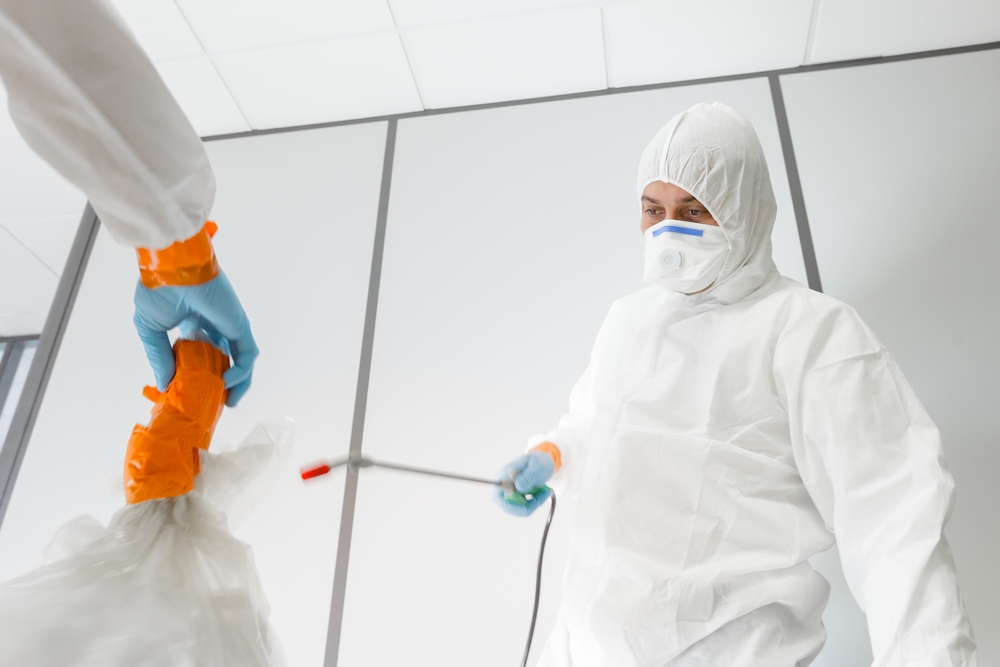
We follow OSHA rules for industrial cleaning, hazard communication, and confined space work. Before the job, we set a plan, review SDS sheets, and mark safe zones for crews and clients. We use the right PPE and keep air checks when needed. During hurricane season, jobs can start right after wind and rain, so we add checks for water damage, unstable ground, and power issues. A clear permit process and lockout/tagout steps help prevent surprises when equipment is opened. Daily toolbox talks set expectations. A supervisor stays on site. Any worker can stop work if conditions change in Baton Rouge.
EPA Regulations
EPA rules shape how we use, contain, and remove cleaning chemicals. We set berms, drain covers, and secondary containment so spills do not reach soil or storm water. That matters near Bayou Manchac and along the river, where runoff moves fast after heavy rain. We track products used, volumes recovered, and where waste goes. I favor methods that reduce rinses and cut waste without leaving residue behind. If a site needs reporting support, we provide the job notes you can file. We also coordinate with transporters and disposal facilities, and keep manifests ready for audits during turnarounds and storm recovery.
HAZWOPER-Trained Technicians
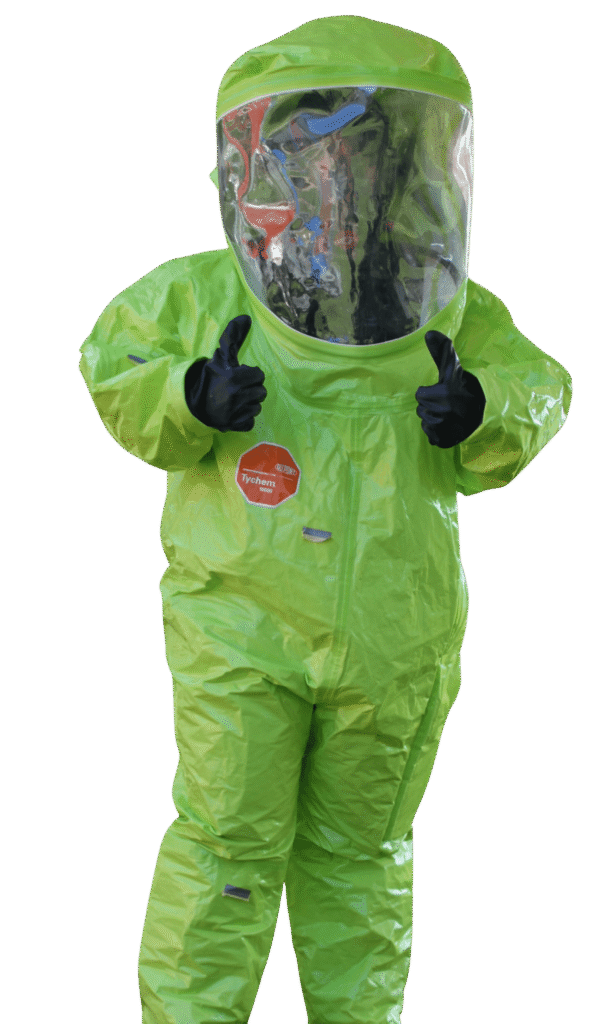
HAZWOPER-trained technicians work safely around hazardous waste, unknown residue, and contaminated equipment. They set control zones, follow entry plans, and use the right PPE for the hazard. After a hurricane, flood water can mix with chemicals and collect in sumps, pits, and low lines. In places like Geismar and Scotlandville, recovery jobs can change fast as pumps restart. Trained teams know how to read air monitoring results, run decon steps, and keep exposure low. I trust this training because it lowers risk and keeps decisions calm. It helps protect your crew, our crew, and your timeline when surprises show up outside.
Proper Chemical Handling and Disposal
Proper chemical handling starts with labeling, sealed storage, and clear mixing steps. We stage products away from drains and traffic, and we use spill kits and containment as standard practice. During storms, wind and water can spread liquids fast, so we add extra barriers and move staging when needed. After cleaning, we neutralize solutions when required and recover waste for transport. We document what was used and what was removed. We work with proper disposal partners and keep manifests ready, so your site stays clean and audit-ready. This matters most when crews are tired and schedules are tight after storms.
OutKast Industrial Group
Why Choose OutKast Industrial?
Industrial sites in Baton Rouge face tight timelines, weather pressure, and safety demands. OutKast Industrial works with these conditions every day. Crews are experienced in chemical plants, refineries, and high-risk systems. Response is fast when storms or outages disrupt operations. Work is planned to limit downtime and protect assets. Safety rules guide every decision, from setup to disposal. Experience across Louisiana sites means fewer surprises and smoother restarts, even after heavy rain, flooding, or hurricane damage.
OutKast Industrial Group
Where Do We Decontaminate?
Chemical cleaning and decontamination services are provided across Baton Rouge and nearby industrial areas. This includes Geismar, Gonzales, Port Allen, Prairieville, and sites along the Mississippi River corridor. Support also extends across Louisiana and the Gulf Coast, where storms and hurricanes often impact plant operations. Local crews allow faster response before and after severe weather, helping facilities return to service with less delay.
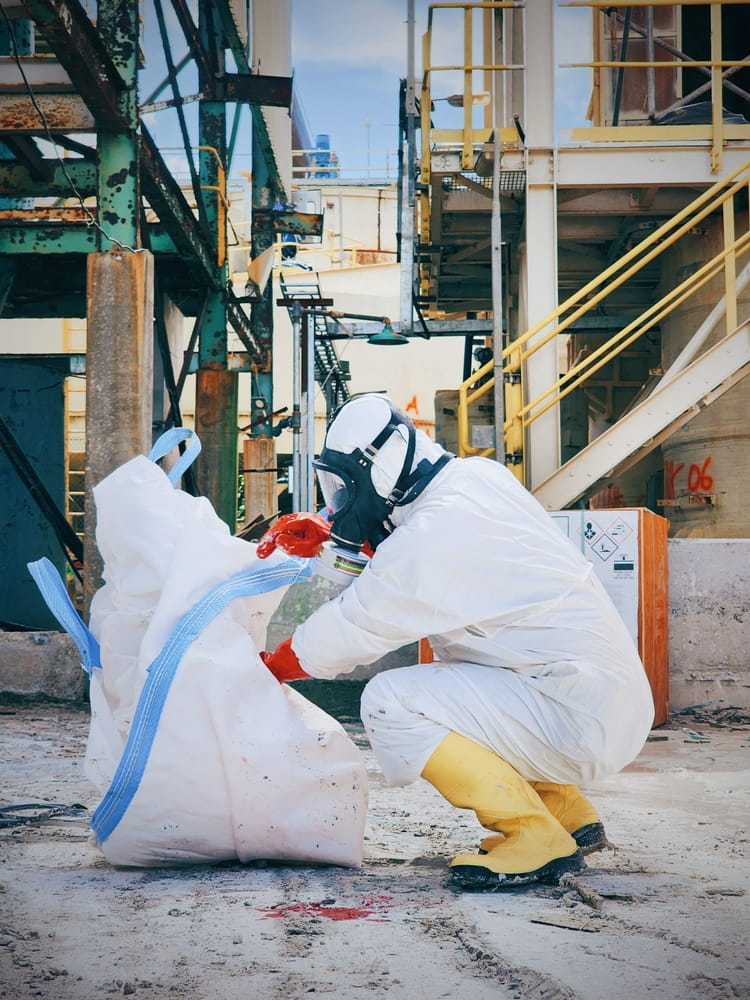
Frequently Asked Questions:
Chemical cleaning is used to remove scale, oil, sludge, and chemical residue from pipes, tanks, and equipment. It works when buildup sticks to surfaces or hides inside systems. This is common in refineries and plants around Baton Rouge, especially after long runs or shutdowns.
Pressure washing removes loose material using water and force. Chemical cleaning breaks down bonded residue inside systems where tools cannot reach. Many sites use both methods together, depending on the condition of the equipment.
Decontamination is needed before maintenance, inspections, or confined space entry. It is also used after spills, process changes, or storm flooding. Hurricanes and heavy rain in Louisiana often push contaminants into systems that must be cleaned before restart.
Yes, when done correctly. Chemicals are selected based on the metal, residue, and system design. The goal is to clean without harming the equipment. Neutralization and flushing are part of the process.